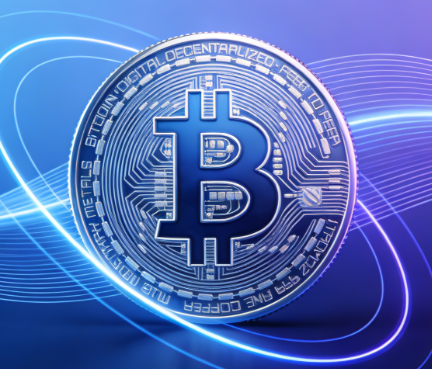
The intersection of artificial intelligence and blockchain technology has reached a significant milestone as OpenAI’s advanced language models begin integrating with decentralized platforms, fundamentally reshaping how users interact with Web3 applications and cryptocurrency systems. This convergence represents more than just technological innovation; it signals a paradigm shift toward more accessible, intelligent, and secure blockchain interactions that could democratize crypto adoption for millions of users worldwide.
The integration of OpenAI’s sophisticated models with DeFi protocols has already begun transforming how retail investors navigate complex decentralized finance ecosystems. Traditional DeFi platforms often require extensive technical knowledge, making them inaccessible to mainstream users. However, AI-powered interfaces now enable users to simply ask questions like “Find me the best yield farming opportunity with minimal risk” or “Explain this AMM protocol in simple terms,” receiving instant, personalized responses that guide their investment decisions.
Major platforms like Uniswap, Aave, and Compound have started implementing AI chatbots powered by models similar to GPT-4 to help users understand complex financial instruments. These implementations go beyond basic customer support, offering real-time analysis of market conditions, portfolio optimization suggestions, and even automated risk assessment tools that consider individual user preferences and financial goals.
Perhaps the most transformative aspect of OpenAI’s influence on blockchain technology lies in simplifying smart contract creation and interaction. Previously, creating a smart contract required deep programming expertise in languages like Solidity, limiting blockchain development to technical experts. Now, users can describe their desired contract functionality in plain English, with AI models translating these requirements into functional code.
This development has significant implications for platforms like Ethereum, Binance Smart Chain, and Polygon, where the barrier to entry for dApp development continues to decrease. Users can now say “Create a smart contract that automatically distributes dividends to token holders every month” and receive a fully auditable, deployable contract. While this technology requires careful oversight to prevent malicious applications, it opens unprecedented opportunities for small businesses and individual entrepreneurs to leverage blockchain technology.
Cryptocurrency exchanges including Binance, Coinbase, and Kraken have begun incorporating OpenAI technologies to enhance their trading platforms’ analytical capabilities. Rather than relying solely on traditional technical indicators, traders can now engage in conversational analysis, asking complex questions about market trends, cross-referencing multiple data sources, and receiving synthesized insights that would traditionally require hours of research.
For instance, a trader might ask, “What’s the correlation between ETH price movements and recent Layer 2 developments?” or “Analyze sentiment around meme coins following recent social media trends.” The AI system processes vast amounts of data from blockchain analytics, social media feeds, news sources, and market data to provide comprehensive, nuanced responses that inform trading decisions.
This enhanced analytical capability extends to risk management tools, where AI models can simulate various market scenarios and provide personalized risk assessments based on individual trading patterns and portfolio compositions. Such features are particularly valuable during volatile periods when human traders might make emotional decisions that deviate from their strategic plans.
The integration of AI with blockchain security protocols has become increasingly critical as the ecosystem grows in complexity and value. OpenAI’s models contribute to enhanced fraud detection systems that can identify suspicious transaction patterns, phishing attempts, and potential smart contract vulnerabilities before they’re exploited.
Wallet providers and exchanges now implement AI-driven monitoring systems that learn from user behavior patterns to detect unauthorized access attempts. When unusual activity occurs, these systems can engage users in conversational verification processes that feel natural and intuitive, moving beyond traditional two-factor authentication to more sophisticated identity confirmation methods.
Furthermore, AI models assist in analyzing smart contract code for potential security flaws. Platforms like CertiK and ChainSecurity have incorporated language model capabilities to explain potential vulnerabilities in plain English, making security audits more accessible to project teams without extensive blockchain development experience.
As governments worldwide grapple with cryptocurrency regulation, OpenAI’s integration with blockchain platforms offers new solutions for compliance automation. AI systems can now interpret complex regulatory frameworks across different jurisdictions and help projects ensure compliance through automated reporting, transaction monitoring, and documentation generation.
Exchanges operating under multiple regulatory frameworks benefit significantly from AI-assisted compliance tools that can process and respond to regulatory inquiries, generate required reports, and maintain audit trails that meet international standards. This capability becomes increasingly important as platforms like Binance, Coinbase, and others expand operations globally while maintaining compliance with varying regional requirements.
The transparency benefits extend to everyday users who can now ask questions about their transaction history, tax obligations, or regulatory requirements in natural language, receiving clear, jurisdiction-specific guidance that helps them remain compliant with applicable laws.
The development of Web3 applications has accelerated dramatically thanks to AI assistance in coding, design, and user experience optimization. Developers can now prototype decentralized applications more rapidly, describing desired functionality in plain language and receiving both frontend and backend code suggestions optimized for blockchain environments.
This acceleration affects all aspects of Web3 development, from gaming platforms on Immutable X to NFT marketplaces on Solana, and DeFi protocols across multiple chains. The reduced development time and lower technical barriers mean that innovative ideas can reach deployment faster, fostering greater experimentation and creativity within the ecosystem.
Additionally, AI-powered testing environments can simulate thousands of user interactions and edge cases that might not be apparent during manual testing, improving application reliability and security before public deployment. This capability proves especially valuable given the irreversible nature of many blockchain transactions and the high stakes involved in DeFi applications.
The fusion of OpenAI technologies with blockchain applications represents a fundamental shift toward more intuitive, intelligent, and accessible decentralized systems. Current market trends indicate growing investment in AI-blockchain hybrid solutions, with venture capital firms increasingly funding projects that combine these technologies.
Looking ahead, we can expect further integration between AI models and blockchain networks, potentially leading to autonomous economic agents that can make trading decisions, manage portfolios, and execute complex financial strategies with minimal human intervention. However, this evolution also raises important questions about algorithmic accountability, transparency, and the need for robust governance mechanisms to ensure these powerful tools serve user interests effectively.
As the technology matures, regulatory frameworks will likely evolve to address the unique challenges posed by AI-driven blockchain applications, requiring ongoing collaboration between technologists, regulators, and industry stakeholders to maintain the delicate balance between innovation and consumer protection.
 admin
admin

Aliqu justo et labore at eirmod justo sea erat diam dolor diam vero kasd




© CryptoNewsStock. All Rights Reserved.




Leave a Reply